The post came in reply to a post from the United Nations Relief and Works Agency (UNRWA), saying that freshwater supplies in Gaza were "severely limited and polluted."
Gaza is receiving over 70,000 cubic meters of water per day, the Coordinator of Government Activities in the Territories (COGAT) claimed in an X/Twitter post on Sunday.
The post came in reply to a post from the United Nations Relief and Works Agency (UNRWA), saying that freshwater supplies in Gaza were "severely limited and polluted," due to a collapse in sewage infrastructure.
COGAT described UNRWA's claims as being "false narratives."
COGAT coordinates Gaza water line repair
"The facts speak for themselves," COGAT said. "When a water line issue was reported last week, we coordinated a rapid repair to restore full functionality immediately."
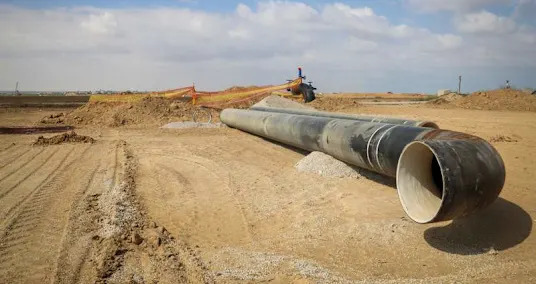
COGAT also said that there were four active pipelines leading into Gaza: Nahal Oz, Bani Suheila, Birkat Sa'id, and the Emirati line.
"While local groundwater faces challenges, we continue to repair infrastructure, even during combat, to ensure civilians access to safe, potable water," COGAT claimed.
LATEST POSTS
- 1
 Tech Patterns: Contraptions That Will Shape What's in store
 - 2Embrace Effortlessness: Moderation and Cleaning up Tips
- 3BHP liable for 2015 Brazil mine disaster: UK court
- 4Warnings rise for U.S. as severe flu strain causes outbreaks in Canada, U.K.
- 5How to identify animal tracks, burrows and other signs of wildlife in your neighborhood


- Civilian toll mounts in Iran as war presses on
- The 2026 'Super Bowl of Astronomy' starts today — here's what's happening
- Instructions to Pick the Right Senior Protection Plan.
- Blue Origin safely launches wheelchair user to space and back
- Iran plans new restrictions in overhaul of Strait of Hormuz rules
- Vice President Dick Cheney’s life followed the arc of the biggest breakthroughs in cardiovascular medicine
- Meet the rescue team behind the astronauts as Artemis II's launch approaches
- Catch the moon dancing with bright star Regulus tonight
- Plans for ‘stop anywhere’ night buses recommended by government for women’s safety