MOSCOW (Reuters) -A Russian Soyuz MS-28 spacecraft with two Russian cosmonauts and one NASA astronaut on board successfully docked with the International Space Station on Thursday, Russian space agency Roscosmos said.
But the agency later reported that the launch pad at the Baikonur Cosmodrome in Kazakhstan had sustained damage from the launch. It said the damage would be quickly repaired.
The Soyuz 2.1a rocket lifted off from the Baikonur Cosmodrome at 12:28 p.m. Moscow time (0928 GMT).
Late on Thursday, Russian news agencies quoted Roscosmos as saying the launch had taken place without incident, but damage was observed after an inspection of the launch area.
"Damage to a number of elements of the launch pad was detected. An assessment of the state of the launch complex is being conducted now," the agencies quoted Roscosmos as saying.
"All the necessary reserve elements are there to restore it and the damage will be eliminated very soon."
It said the crew was on board the station and in good health.
(Reporting by Anastasia Lyrchikova; Writing by Marina Bobrova; Editing by Andrew Osborn, Ron Popeski and Bill Berkrot)
LATEST POSTS
- 1
 In a scientific first, biologists recorded a wild wolf potentially using tools
 - 2Vote in favor of Your #1 4\u00d74 SUVs
- 3Illumina unveils dataset to speed up AI-powered drug discovery
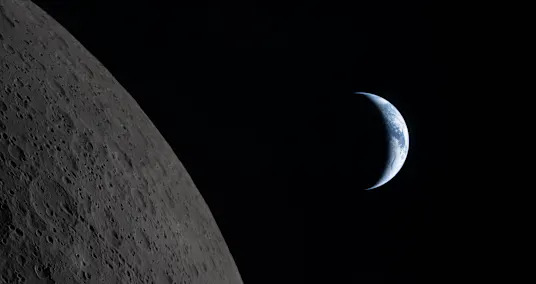
- 4NASA releases stunning new images captured by the Artemis II moon mission, including 'Earthset' and a solar eclipse from space
- 5China’s new condom tax will prove no effective barrier to country’s declining fertility rate



- Viable Correspondence: Building Solid Connections
- Shipping: The Corridors of Trade and the Coming of Another Period
- Top 15 Style Creators Changing the Business
- Congress is running out of time to extend ACA subsidies as the GOP moves on to an alternative plan. Here's where things stand.
- Japan deploys the military to counter a surge in bear attacks
- New Year's Eve Live: Nashville's Big Bash: How to watch the star-studded country music special live
- \Step by step instructions to Pick the Best Material Organization for Your Home\
- The 1st full moon of 2026 rises tonight! Here's what to expect from January's supermoon Wolf Moon
- German unemployment rate falls to 6.4%, but 3 million still jobless