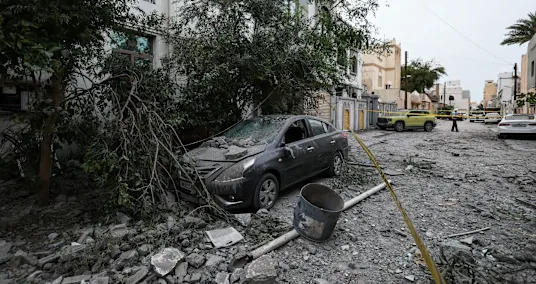
Bahrain is cracking down on dissent as it struggles with the political and economic impacts of the war.
On Monday, several people were arrested on charges of spying for Iran, adding to more than 200 detained since the conflict began, according to the UK-based Bahrain Institute for Rights and Democracy. At least one man, Mohamed Almosawi, has died in custody. Rights groups said his corpse showed signs consistent with torture; the government dismissed the allegations as “misleading.”
The government is wary of protests, haunted by memories of the 2011 Arab Spring pro-democracy movement and historic enmity with Iran tracing back to the kingdom’s founding and Tehran sponsoring a failed coup in Manama in 1981.
Bahrain has intercepted more than 650 Iranian missiles and drones since the start of the war on Feb. 28. Unlike its Gulf peers, the kingdom can’t afford the economic consequences: This week, Capital Intelligence Ratings lowered the country’s credit rating one notch, and expects the budget deficit to spike this year because of the cost of repairing damaged infrastructure.
LATEST POSTS
- 1
 Scientists find evidence that an asteroid contains tryptophan
 - 2Israel’s 'Stonehenge’ not alone with near 30 similar sites, satellite imagery reveals
- 3Instructions to Expand Your Smash 1500's Presentation: Tips and Deceives
- 4This St Nick Truly Can Advise How To Drink And Hack Your Headache
- 5Tremendous Spelunking: Cool Caverns All over the Planet



- How one man's concern saved his brothers from heart disease
- Porsche May Kill the Electric Boxster Before It Ever Arrives
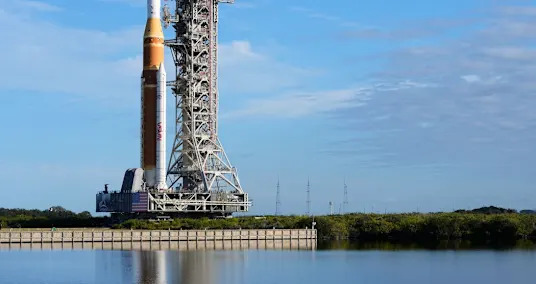
- NASA’s Artemis II mission will take an astronaut crew around the Moon – a space policy expert describes the long road to launch
- Can humans have babies in space? It may be harder than expected
- Alice Wong, founder of the Disability Visibility Project, dies at 51
- A Concise History Of The Entertainment world
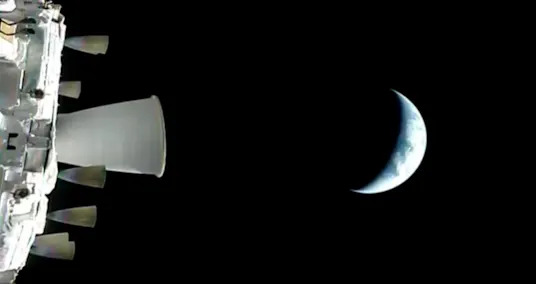
- NASA Artemis II tracker: Crew less than 60,000 miles from moon ahead of Monday flyby
- Israel halts defense sales to France, citing 'hostile attitude,' sources tell 'Post'
- Artemis 2 astronauts are about to see one of the rarest skywatching sights of all — a solar eclipse from beyond the moon