
THE GIST
For a while, Europe’s retailers have been living in that pleasant illusion where geopolitics is someone else’s problem.
Oil spikes, shipping chaos, energy shocks, all very dramatic, but shoppers kept buying. That illusion is starting to crack. Next and H&M are now signaling that if the Middle East conflict lasts, prices go up and consumers eventually push back.
WHAT HAPPENED
United Kingdom retailer Next and Swedish fast-fashion giant H&M both warned that a prolonged Middle East conflict could feed through into higher costs and weaker consumer demand.
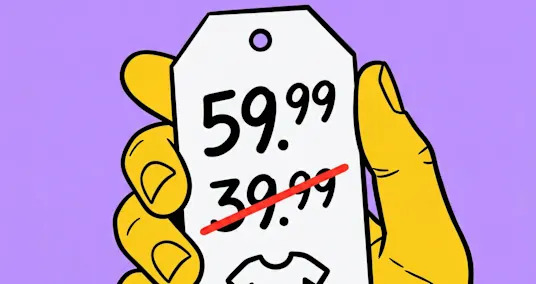
Next said it expects about £15 million (about $20 million) in additional short-term costs, including £8 million from air freight, £4 million from sea freight surcharges and £3 million from higher U.K. energy costs. For now, those costs are being offset elsewhere. But chief executive Simon Wolfson said that if the conflict lasts longer than three months, the company may need to raise prices by around 1.5% to 2%.
H&M struck a similar tone. Chief executive Daniel Erver said the conflict has had only a limited direct impact so far, but warned that prolonged disruption could push up energy and transport costs, creating fresh inflationary pressure on already stretched consumers.
The warnings come as broader cracks appear across the consumer economy. Energy and shipping costs have risen as the Middle East conflict disrupts trade routes and commodity markets. Chemical companies such as BASF and Lanxess have already raised prices, feeding through into everyday goods.
Other retailers are flagging similar risks. Polish fashion group LPP has warned on fuel and logistics costs, while the U.K.’s Co-op said inflation has not yet hit shelf prices but remains a looming threat.
So far, demand has held up. Both Next and H&M say shoppers are still spending. The bigger question is what happens when temporary cost pressures become permanent features of the system.
WHY IT MATTERS
Because this is how inflation returns, gradually, then all at once.
Retailers have just spent years dealing with the aftershocks of the Ukraine war, when higher energy costs rippled through supply chains and squeezed both margins and consumers. No one wants a repeat. But they may not get a choice.
Our analysts just identified a stock with the potential to be the next Nvidia. Tell us how you invest and we'll show you why it's our #1 pick. Tap here.
The transmission mechanism is already in motion. Freight costs rise. Energy prices follow. Suppliers adjust. Retailers absorb what they can. Eventually, prices move.
LATEST POSTS
- 1
 Satellite data reveals a huge solar storm in 2024 shrank Earth's protective plasma shield
 - 2Careful Nurturing: Techniques for Bringing up Tough Children
- 3ICAS calls for clearer safeguards in FRC’s TCA policy
- 4Island Travel Guide: Must-Visit Objections for 2024
- 5Saturn's moon Titan may not have a buried ocean as long suspected, new study suggests





- New hybrid mpox strain discovered in UK after US reports local spread
- Artemis II astronauts will see parts of the moon no human has before. Here’s how
- I read 115 books this year. 'Wuthering Heights,' 'Heart the Lover' and 'The House of My Mother' were among my 10 favorites.
- Islamabad: Iran allows 20 Pakistani ships through Strait of Hormuz
- Satellite constellations could obscure most space telescope observations by late 2030s: 'That part of the image will be forever lost'
- Bayer sues COVID vaccine makers over mRNA technology
- Birutė Galdikas: The last of the ‘angels’ in primatology’s most extraordinary chapter
- Japanese H3 rocket fails during launch of navigation satellite (video)
- 'Seditious behavior': Trump accuses Democrats who made video reminding the military not to follow illegal orders of a crime — but is it?