A massive dust storm, or haboob, swept across the Sahara Desert from western Algeria into Mauritania, Morocco, Western Sahara and the Canary Islands on March 30. The dust stretched for more than 1,000 miles.
As meteorologists observed the dust storm from space via weather satellites, social media users captured the incoming dust storm on camera. One video shows a thick wall of dust and sand moving toward a resident of the town of Tindouf, near the Mauritanian, Western Saharan and Moroccan borders.
How does the dust affect tropical storms in the Atlantic?
While this storm didn't make it too far off the coast, significant amounts of dust can drift westward from Africa across the Atlantic beginning in May. This can inhibit tropical storm formation, or the strengthening of an existing system, because the dusty air has about 50% less moisture than the typical tropical atmosphere.
Strong winds in the dust layer can also substantially increase the vertical wind shear in and around the storm environment, potentially disrupting any storm that forms.
LATEST POSTS
- 1
 How to watch ‘The Traitors’ U.K. Season 4 from the U.S.
 - 2'Stranger Things' star debunks claims of 'unseen footage' from Season 5, Volume 2 as backlash intensifies ahead of the series finale
- 3NASA Perseverance rover sees megaripples on Mars | Space photo of the day for Jan. 7, 2026.
- 45 Instructive Toy Brands for Youngsters
- 5Figure out How to Clean and Really focus on Your Lab Jewel


- Best Wellness Tracker Keep You On target
- Step by step instructions to Analyze Senior Insurance Contracts Really.
- Investigate Business Mastercard Choices for Better Rewards and Rewards
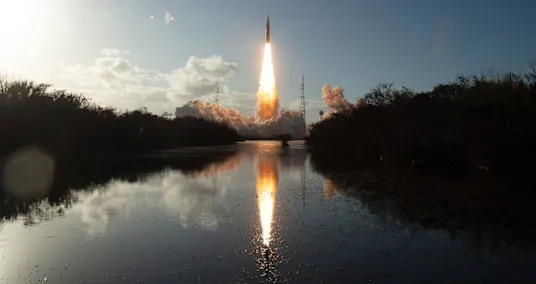
- Relive NASA's historic Artemis 2 launch to the moon in these stunning photos
- Instructions to Pick the Right Toothpaste for Your Dental Requirements
- 2025 Yachting Editors' Choice Awards: Yachts
- Europe must reinvent warfare for ‘era of shocks,’ NATO’s Vandier says
- 6 Famous Urban communities for Shopping on the planet
- Figure out How to Recognize Early Indications of Depressions